QuietAbove / Quiet home fitness
Quiet home fitness
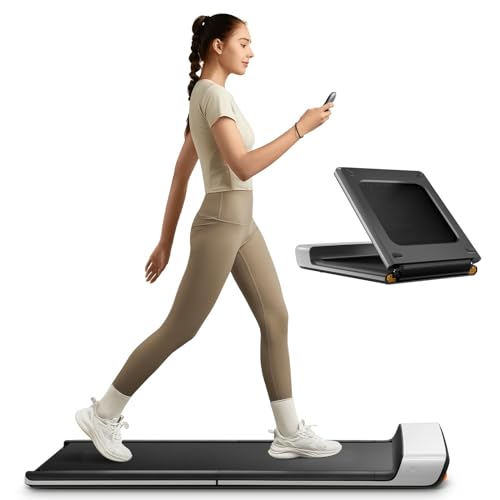
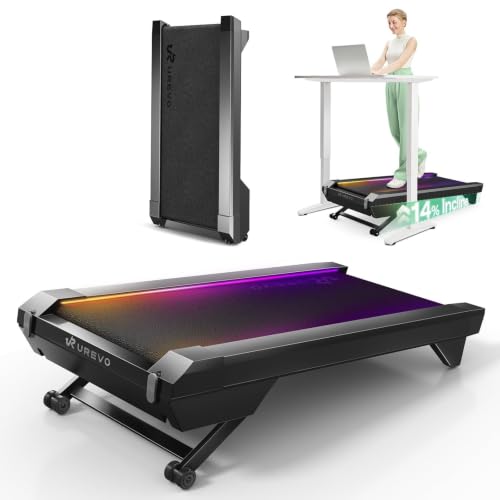
A walking pad is bought for a floor area and then lived with for the sound it makes. The two decisions that decide everything are the motor type and the floor under it: a belt motor is quieter than a magnetic one at a given speed, and a hard floor under a machine is an impact-noise problem that the machine's own decibel figure does not describe. The pages below compare on those, on the control surface - which matters when you are on it and cannot reach the app - and on the weight limit, which is where most returns come from.
A walking pad or under-desk treadmill lives or dies in an apartment on three numbers most listings bury: motor noise at a normal walking speed, weight limit against the buyer's actual weight rather than a rounded marketing figure, and belt size against the buyer's actual height and stride. A machine rated quiet at 2 mph can still be loud enough to travel through a floor at 3.5 mph, and a belt that fits a 5'6" walker can be genuinely too short for someone 6'2". We test none of these hands-on; instead, every page here reads the manufacturer's own motor and weight-limit spec, cross-checks it against verified owner reviews for noise and durability complaints at the belt's actual working speed, and checks the model against CPSC recall records before it's recommended.
This category also carries real safety history worth naming up front: several budget walking pad brands sold under shifting names have drawn CPSC warnings and recalls for unexpected belt acceleration, which is why every page in this section either names a checked, unrecalled alternative or says plainly when a popular budget model has an open safety concern. Quiet, for a shared-floor apartment, is a starting filter, not the only one that matters here.
9 guides · most recently updated first Heads up. Some links on this page are affiliate links. We may earn a small commission if you buy, at no extra cost to you.