QuietAbove / Floors and footsteps
Floors and footsteps
Floor noise is the sound problem you can solve without touching anything you rent. Footsteps, chair legs dragging, and a walking pad hammering a hollow subfloor all travel to the neighbour below as impact noise, and impact is the part that acoustic panels and curtains do not address. What works on impact is mass and decoupling: something dense and something soft between the source and the floor. This hub is about choosing between those two jobs, and about the two places people spend money on the wrong one.
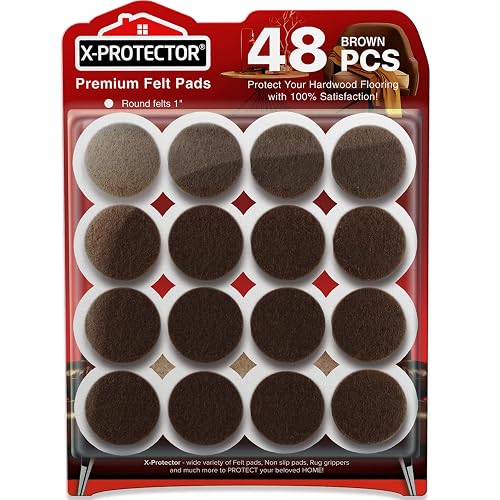
Footstep noise is impact noise, which travels through a building's frame rather than through the air, and that's why the products in this section (rugs, felt and rubber pads, interlocking foam tiles, felt furniture pads) can only ever be a partial fix. What they're actually doing is absorbing the impact at the moment your foot, a chair leg or a piece of home-gym equipment hits the floor, before that energy has a chance to travel into the joists below. A thin, decorative rug pad does very little of this; a dense felt pad, gym-mat foam or interlocking rubber tile does measurably more, and the difference usually comes down to material density and thickness rather than brand name.
Every comparison here names the actual thickness and material of what we're recommending, not just "extra cushioned" marketing language, because that's the spec that predicts whether a downstairs neighbor notices a difference. We also pair products where the honest answer is a combination rather than a single item, a rug plus a dense pad underneath, or a mat plus felt pads on the furniture around it, since one piece alone is rarely the full fix a downstairs complaint needs.
4 guides · most recently updated first Heads up. Some links on this page are affiliate links. We may earn a small commission if you buy, at no extra cost to you.
Is it footsteps, furniture, or the machine?
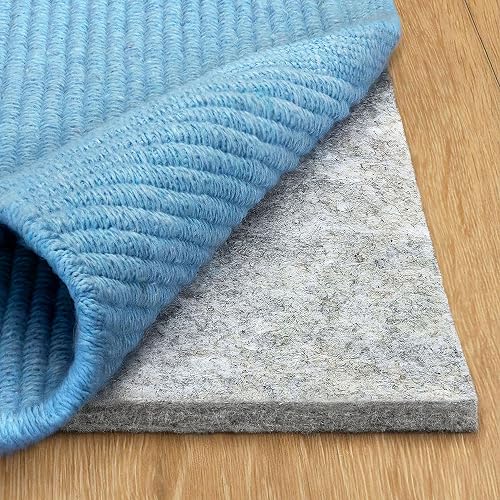
Three different sources land on this floor, and each one has a different fix. Chair legs scraping is a furniture problem and costs very little. A walking pad or any machine on a hard floor is an impact problem, and the fix is a resilient layer between the machine and the boards. Footsteps on a shared floor with downstairs neighbours is the hardest of the three, because it is the subfloor as much as the surface, and the honest answer is that rugs and pads help at the top end and do not solve a structural transmission path. The comparison below covers the rug-and-pad combination; the two guides cover the other two sources, and the rug guide is worth reading before buying anything at all.
The whole-floor problem
One product, one question: what a rug plus an underlay does to footstep noise on hardwood.
Not sure yet? Read our chair-leg guide (the cheapest fix on this hub, and the one most people need first). Or use the machine-impact guide (what to put under a machine, and why a thin mat is not the same as decoupling).
All Floors and footsteps guides, newest first
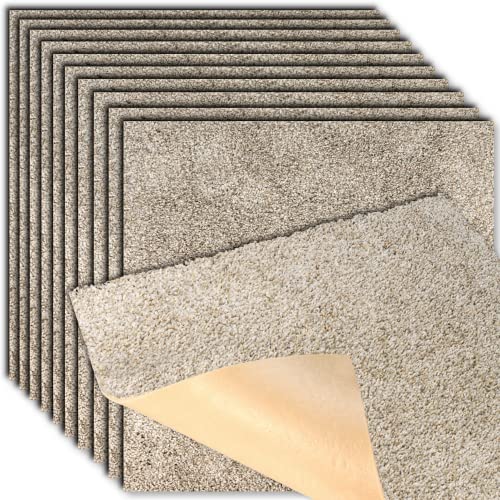
Start here · Guide Whether renter-safe interlocking or peel-and-stick carpet tiles are worth buying to cut footstep noise for a downstairs neighbor on hardwood or vinyl, versus a rug and rug pad.
Current pick Peak Performance carpet tile w/ attached cushion
Updated Sep 29