
- Water damage to your stuff is a covered peril. III lists "water" among the disasters a standard renters policy protects belongings against; Lemonade's own policy page says its water damage coverage "protects you if your electronics get drenched, or your pipes cause a mess."
- Damage you cause to a neighbor is liability's job. III's own example is a dog or kid who "accidentally ruins your neighbor's expensive rug"; Lemonade covers you "if you accidentally injure someone or damage their property."
- Liability limits start around $100,000 per III, with no-fault medical payments typically "\$1,000 to \$5,000" — the part that pays a neighbor's doctor bill before anyone sues.
- Noise is not a peril. Every coverage above needs physical loss or damage from a listed cause. Annoyance has no claim line, which is why the practical fixes are door seals, rug pads and white noise machines, not phone calls to an insurer.
- Floods and earthquakes are excluded — III and Lemonade both say so plainly — and the building's structure is never your policy's problem, because the landlord owns it.
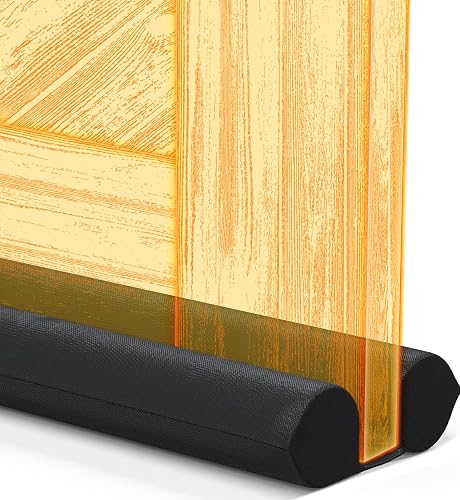
Quick answer: No renters policy pays for noise. Water damage to your belongings is a covered peril, and damage you cause to a neighbor is covered under liability, which generally starts around $100,000. The nightly noise itself is not insurable at any price, so the fix is physical: a no-adhesive, two-sided weighted door seal kit ($19.99) closes the gap noise uses most.
If you share walls, floors or a ceiling with other people, two questions eventually arrive together: what happens if a neighbor damages my stuff — and is there anything insurance will do about the noise? The first has a real answer. The second has a flat no, and it’s worth knowing exactly where the line sits so you don’t spend a week chasing a claim that was never going to exist.
What does a standard renters policy actually pay for?
A renters policy has four moving parts, and three of them can involve neighbors.
Personal property — the neighbor-damaged-my-stuff half. III describes the standard coverage as protecting your belongings “against damage from fire, smoke, lightning, vandalism, theft, explosion, windstorm, water and other disasters listed in the policy.” Water is the one that comes through a shared ceiling: an upstairs washing machine overflows, a pipe ruptures, and your sofa, mattress and electronics take the hit. Lemonade frames its version the same way — water damage coverage “protects you if your electronics get drenched, or your pipes cause a mess.” The water’s origin being someone else’s apartment doesn’t remove it from your policy; your coverage follows your belongings. (If the neighbor was negligent, insurers may fight it out between themselves — that’s their lawyers, not your problem.)
Liability — the I-damaged-the-neighbor half. The mirror image. III’s example is exactly the shared-building scenario: your policy responds if “your son, daughter or dog accidentally ruins your neighbor’s expensive rug.” Lemonade’s wording is broader: you’re covered “if you accidentally injure someone or damage their property.” In an apartment, that means the tub you overflowed into the unit below is a liability claim, not a personal-property one.
How much liability, specifically. III says liability limits “generally start at about $100,000” and suggests many renters carry more. Attached to it is a smaller no-fault medical coverage — typically “$1,000 to $5,000” — that can pay a neighbor’s minor medical bill without anyone admitting fault or hiring a lawyer.
Loss of use — the I-can’t-live-there half. If a covered disaster (a fire that started two units over, say) makes your apartment unlivable, the policy covers the difference in your living costs — III’s list is “hotel bills, temporary rentals, restaurant meals.” A trashed kitchen two floors down that closes your building for a week is exactly what this line exists for.
Will insurance pay for a neighbor’s noise?
Every coverage above starts from physical loss or damage caused by a listed peril. Footsteps on hardwood at midnight are not a peril. A subwoofer is not a peril. A treadmill at 6 a.m. is not a peril. There is no claim line for annoyance, no deductible to meet, no adjuster coming to listen — and that’s not a quirk of one insurer, it’s what a peril-based policy is. If you call about noise, the honest answer from any of them is some version of “that’s a lease problem.”
And to close the obvious loophole: noise only becomes an insurance matter when it comes attached to actual damage — the sustained vibration that cracks a wall, the leak that follows the noise through your ceiling. The damage is the claim. The noise is still just the noise.
The route that actually works for the noise itself runs through your lease, your building management and — where it’s bad enough — your city’s noise ordinance. The route that works tonight is physical: mass and air gaps where the sound comes in, and masking where it can’t be blocked. That’s the rest of this site — start with the no-drill door seal kit comparison for the air-gap win, the rug and rug pad combo guide if you’re the upstairs neighbor trying to do right by the people below, or the non-looping white noise machine comparison for masking footsteps you can’t stop.
What does renters insurance not cover in a shared building?
Floods and earthquakes are not covered — III says it plainly, and Lemonade’s page repeats it. A burst pipe is water damage; a rising flood is a separate policy entirely (III points to the National Flood Insurance Program).
The building is never your policy’s job. III’s phrasing: a renters policy carries no building coverage “since the landlord owns that.” Your upstairs neighbor’s insurer, your landlord’s insurer and your own insurer each own a different layer of the same bad day — the walls are theirs to argue about, your belongings are yours.
Roommates’ stuff isn’t on your policy (Lemonade lists this exclusion explicitly), and high-value items like jewelry carry their own small sub-limit — III puts it around $1,500 — unless you add coverage.
How much does renters insurance cost, and is it worth it for neighbor risk?
Lemonade’s published average is “around $16/month with prices starting as low as $5/month” — and III notes that choosing a $1,000 deductible can cut the premium “as much as 25 percent,” with replacement-cost coverage (what your stuff costs new, not its used value) running about 10 percent more than actual-cash-value coverage. Whether those numbers apply to you depends on your state, your building and your stuff; the policy page is the only real quote.
The quiet-apartment math is asymmetric, though: the policy covers the rare catastrophic neighbor event — the flood, the fire — for about the price of one door seal kit per year. The noise, which is the every-single-night event, is not insurable at any price. Carry the policy if the flood scenario would wipe you out; spend the first $50 on the door seal either way.
This page is informational, not insurance advice — coverage varies by policy, insurer and state, and the quotes above are the sources’ descriptions of standard policies, not your contract. QuietAbove has no insurance partner and no affiliate relationship with any insurer named here; the makers of the quiet-gear picks on the pages we link to are a different (Amazon affiliate) story, disclosed on our disclosure page.
Questions about renters insurance and neighbor problems
Does renters insurance cover water damage from the apartment upstairs?
Yes, for your belongings. III lists water among the disasters a standard renters policy protects against, and Lemonade says its water damage coverage protects you if your electronics get drenched. The water starting in a neighbor's unit doesn't matter — your coverage follows your stuff.
Am I covered if I accidentally damage my neighbor's property?
That's the liability half of the policy. III's example is a dog or kid who accidentally ruins a neighbor's expensive rug, and Lemonade covers you if you accidentally injure someone or damage their property. Limits generally start at about $100,000 per III.
Can I claim for noise damage or annoyance?
No. Every coverage starts from physical loss or damage caused by a listed peril, and footsteps, a subwoofer or an early treadmill are not perils. Noise only touches insurance when it arrives attached to real damage, like a crack or a leak — the damage is the claim, not the sound.
What should I do about a noisy neighbor instead?
Lease, building management and the city noise ordinance are the routes that can actually stop it. For tonight, physical fixes do the work: a no-adhesive door seal kit on the gap, rug padding underfoot, or a white noise machine to mask what you can't block.
Sources we checked
- Insurance Information Institute (III): "Renters Insurance." Source for the covered-perils list ("fire, smoke, lightning, vandalism, theft, explosion, windstorm, water and other disasters listed in the policy"), the neighbor's-rug liability example, liability limits that "generally start at about \$100,000", no-fault medical coverage of "\$1,000 to \$5,000", additional living expenses ("hotel bills, temporary rentals, restaurant meals"), and the exclusions ("Floods and earthquakes are not covered"; the building is the landlord's).Independent · iii.org · checked
- Lemonade: official renters insurance page. Source for its water damage coverage ("protects you if your electronics get drenched, or your pipes cause a mess"), liability ("if you accidentally injure someone or damage their property"), loss-of-use coverage for temporary housing, the floods/earthquakes exclusion, and pricing ("around \$16/month with prices starting as low as \$5/month").Manufacturer · lemonade.com · checked