
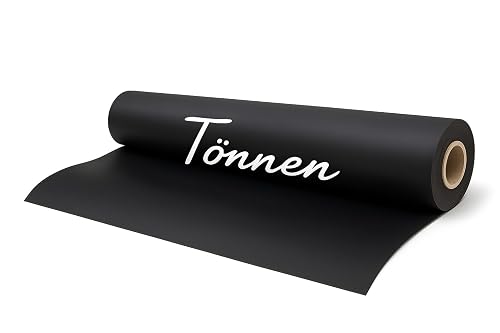
- MLV needs mass and permanence to work well. A properly installed 1 lb/sq ft layer adds only about 3-4 STC points at 100-300 Hz, and even that drops off below 80 Hz.
- Draped behind furniture is weaker still. An acoustics contractor's own guide calls the temporary, renter-safe version's effect 'limited compared to a permanently installed MLV.'
- The physics is the real obstacle, not the product. At 60 Hz, a sound wave is about 18 feet long; a standard wall is 4-6 inches thick. Mass alone struggles to stop a wave that long.
- MLV works best layered with construction you can't do in a rental: resilient channels, mineral wool and extra drywall. Without those, expect a small improvement, not a fix.
If a neighbor’s bass through a shared wall is the problem, the honest answer up front: nothing renter-safe fixes it well, including mass-loaded vinyl (MLV) draped behind furniture. It’s worth understanding why before you spend money on it.
Does draping MLV behind furniture actually work?
A little, for mid-range sound; almost nothing for deep bass. Mass-loaded vinyl is a dense, flexible sheet that adds weight to a wall assembly. Properly installed, permanently fastened as part of a full wall buildup, a 1 lb/sq ft layer of MLV contributes roughly 3-4 STC points in the 100-300 Hz range, according to an acoustics contractor’s own published guide. That’s a real but modest number, and it drops off further below 80 Hz, which is exactly where a lot of the “thump” from a neighbor’s subwoofer or bass-heavy music actually lives.
Draping the same material behind a couch or bed, instead of permanently fastening it into the wall, is the renter-safe version, and it’s honestly weaker still. The same guide is direct about it: the draped approach’s “effect is limited compared to a permanently installed MLV, but it is renter-compatible and reversible.” You’re trading effectiveness for the ability to take it down without a landlord ever knowing it was there.
Why is bass this hard to stop?
It’s wavelength, not a weakness in any particular product. At 60 Hz, a sound wave in air is roughly 18 feet long. A standard interior partition wall is typically 4 to 6 inches thick. Mass-based materials like MLV work by giving a sound wave something heavy to push against, but a wall that thin, with or without a vinyl sheet added to it, is a small obstacle compared to a wave that long. This is a physics limit, not a product-quality issue, and it’s why marketing claims that any single removable product “blocks” bass should be read skeptically.
What actually helps, and what doesn’t touch this at all
The combinations that do meaningfully reduce bass transmission, resilient channels that decouple drywall from the studs, mineral wool packed into the wall cavity, an added layer of drywall, all require opening the wall itself. That’s construction, not a product you can install and remove, and it’s not available to most renters.
Products covered elsewhere on this site (rug pads, door seals, curtains) address different noise paths entirely, footstep impact through a floor, air gaps around a door, mid-to-high frequency echo, and none of them touch bass through a wall either. There’s no renter-safe product on the market today, MLV included, that meaningfully solves deep bass through a shared wall; that’s the honest state of the physics, not a gap in our research.
Where this leaves you
If it’s genuinely deep bass, expect a draped MLV sheet to help a little with mid-range sound and almost nothing with the low end. If documentation, masking with a white noise machine, or a conversation with your building are on the table, those may do more for your actual quality of life than another product purchase.
Sources for every claim
- New York Soundproofing: How to Block Bass Noise from a Neighbor: “a 1 lb/sq ft MLV layer contributes approximately 3-4 STC points,” “limited compared to a permanently installed MLV, but it is renter-compatible and reversible”
What related fixes stack with this
- Masking what you can’t block: our white noise machine guide
- A different noise path entirely: our no-drill door seal kit
- Footstep impact through a floor, not a wall: our rug pad guide
Questions about MLV and neighbor bass
Does hanging mass-loaded vinyl behind a couch actually block a neighbor's bass?
Only a little. An acoustics contractor's own guide is candid that a draped, non-permanent sheet is "limited compared to a permanently installed MLV," and even properly installed MLV only adds about 3-4 STC points in the 100-300 Hz range, dropping off further below 80 Hz, which is where a lot of neighbor bass sits.
Why is bass so much harder to block than voices or footsteps?
Wavelength. At 60 Hz, a sound wave is roughly 18 feet long, while a typical apartment partition wall is only 4 to 6 inches thick. Mass-based materials like MLV work by adding weight a wave has to push, but a wall that thin can't meaningfully resist a wave that long, regardless of what's hung on it.
Is there any renter-safe way to actually stop bass through a wall?
Not fully, without construction. The combinations that work, resilient channels, mineral wool insulation in the wall cavity, extra layers of drywall, require opening the wall, which a renter generally can't do. A draped MLV sheet is the reversible version of a fix that mainly works when it's permanent.
Is it still worth doing, even with limited results?
If the noise is more mid-range (voices, TV, music vocals) than deep bass, a modest MLV improvement in the 100-300 Hz range might be worth the low cost and full reversibility. If it's specifically sub-bass rumble, the honest expectation is that a draped sheet won't be the fix, and masking or documentation with the building may do more for you than another product purchase.
What should I actually do instead if bass is the real problem?
Options that don't require opening a wall: rearrange furniture so a bed or desk isn't directly against the shared wall, use a white noise machine to mask what gets through (see our white noise guide), and keep a dated log if it's a lease or quiet-hours issue, since a rug pad, door seal or curtain, all covered elsewhere on this site, address different noise types entirely and won't touch bass either.
Sources we checked
- New York Soundproofing: "How to Block Bass Noise from a Neighbor." Source for the STC math ("a 1 lb/sq ft MLV layer contributes approximately 3-4 STC points" at 100-300 Hz, dropping off below 80 Hz), the direct statement that draped MLV's "effect is limited compared to a permanently installed MLV, but it is renter-compatible and reversible," and the wavelength math ("At 60 Hz, the wavelength of sound in air is approximately 18 feet" against a wall "4 to 6 inches thick").Independent · newyorksoundproofing.com · checked
- Amazon: Tönnen Mass Loaded Vinyl 1.23 lb/ft2, 4x20 ft / 80 sqft roll (ASIN B0C4QYG9SV). Source for the 1.23 lb/sq ft density, the maker's own claimed STC 32 rating, and the $259.99 price at check time.Retailer listing · amazon.com · checked